
India Needs 10,000+ Skin Donations But Gets Only 200: Here’s Why Your Pledge Matters
Priya was 23 when the kitchen gas cylinder exploded. Burns covered 60% of her body. Her own skin couldn’t save her: she needed donor skin to survive. But the nearest skin bank was 400 kilometers away, and it was empty.
Priya’s story isn’t rare. It’s the reality for thousands of burn victims across India every single day.
The Numbers Don’t Lie: A Crisis in Plain Sight
Every year, 7 million Indians suffer burn injuries. That’s nearly the entire population of Switzerland: scorched, scarred, and desperately needing help. Among these victims, 80% are women and children, often injured in preventable household accidents involving cooking stoves, electrical faults, or unsafe heating methods.
The mathematics of survival are stark: 150,000 burn patients die annually. Another 250,000 face lifelong disabilities. Most could be saved if donor skin were available when they needed it.
Yet India operates only three functional skin banks: in Mumbai, Chennai, and Bangalore. Three cities. For a nation of 1.4 billion people.
The demand-supply gap isn’t just wide; it’s a chasm. While exact figures vary across regions and reporting systems, the pattern is consistent: hospitals report chronic shortages, patients wait for grafts that never come, and families watch their loved ones struggle with wounds that could heal: if only the system worked.

Why Skin Donation Saves Lives (And Why Your Own Skin Isn’t Always Enough)
When burns cover more than 40-50% of the body, a patient’s own skin cannot provide enough grafts for healing. This is where donor skin becomes literally life-saving. Donated skin acts as a biological bandage: protecting wounds from infection, reducing fluid loss, and buying time for the patient’s body to heal.
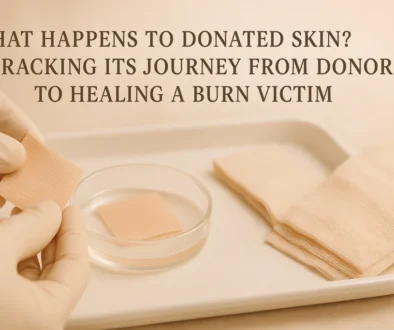
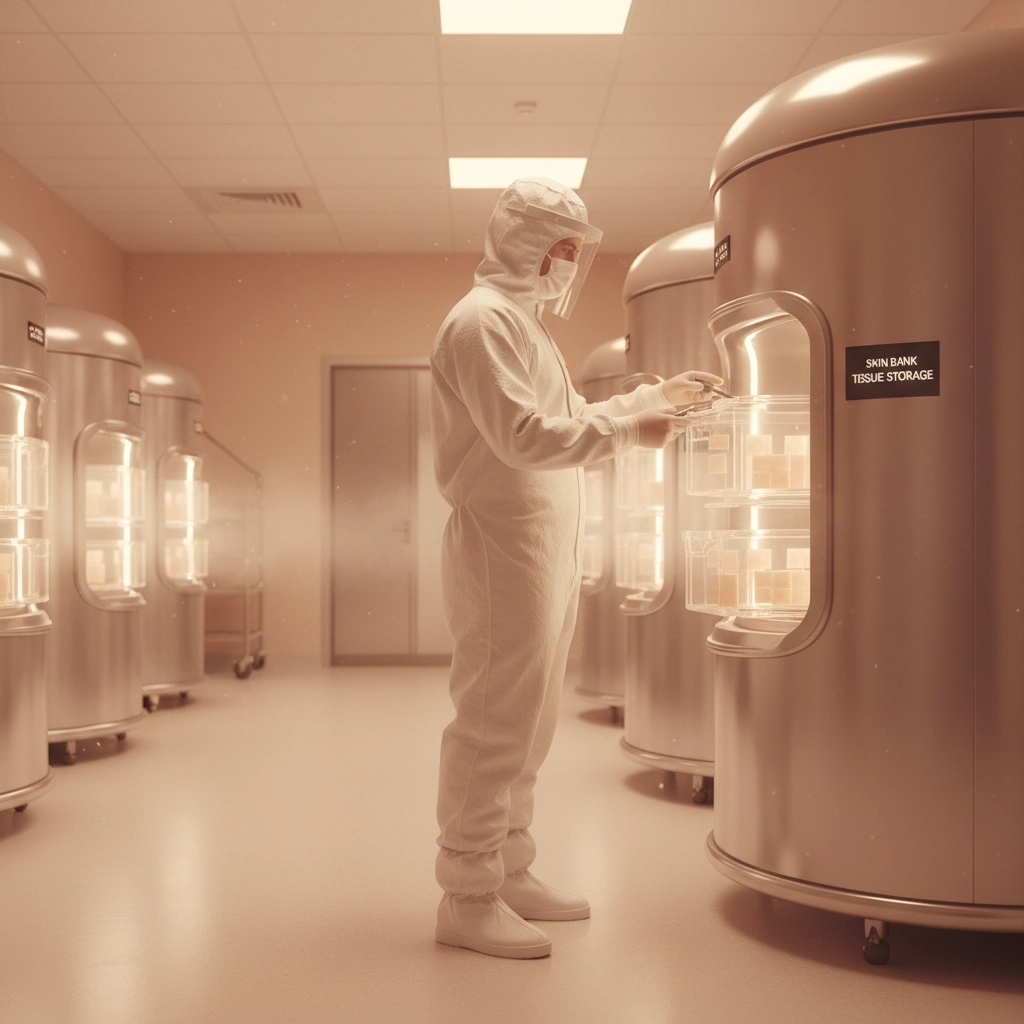
The science is straightforward: skin can be harvested after death, processed, and frozen for up to five years. One donor can provide skin grafts for up to 10-15 patients. The donated skin doesn’t require complex matching procedures like organ transplants do.
But here’s what makes this crisis particularly tragic: 80% of severe burn patients can be saved if sufficient donor skin is available. The cure exists. The technology works. The system simply isn’t there.
The Six-Hour Problem: Why Good Intentions Aren’t Enough
The biggest barrier to skin donation isn’t unwillingness: it’s logistics. Skin must be harvested within six hours of death. This narrow window demands precision, speed, and infrastructure that most of India lacks.
Consider the chain of events required: a potential donor dies, the family consents, a trained retrieval team is contacted, they travel to the location, harvest the skin, and transport it to a processing facility: all within six hours. In regions with weak hospital networks or remote areas, this timeline is nearly impossible to meet.
Infrastructure Gaps That Kill
The absence of trained retrieval teams across the country creates deadly bottlenecks. Unlike organ donation, which has developed some coordination systems, skin donation operates through fragmented, underfunded networks. Many hospitals lack the basic equipment or trained staff to perform skin retrieval, even when willing donors are identified.
The Awareness Vacuum
While organ donation has gained public visibility: particularly after India’s Aadhar-based NOTTO pledge website launched, resulting in over 3.3 lakh citizens registering their pledges: skin donation remains poorly understood. Many people don’t realize that skin can be donated, that the process is respectful and dignified, or that their single pledge could save multiple lives.
Social hesitations compound the problem. Families often struggle with the concept of skin donation, viewing it as disfiguring or undignified: misconceptions that proper awareness campaigns could address.
Signs of Hope: When Systems Start Working
Change is happening, slowly but decisively. Twenty-two skin banks recently convened at AIIMS New Delhi to address systemic challenges. Officials from the National Organ and Tissue Transplant Organisation (NOTTO) presented a draft national registry aimed at standardizing licensing norms, documentation, and information-sharing protocols.
This coordination represents a fundamental shift from fragmented efforts to systematic solutions. When hospitals, skin banks, and retrieval teams operate under unified standards, the six-hour window becomes manageable. When donor identification integrates with existing organ donation frameworks, more potential donors can be reached in time.
Technology Meets Compassion
The Aadhar-based pledge system demonstrates how technology can transform donation rates. By simplifying the pledge process and creating searchable databases, the system helps identify willing donors quickly during emergencies. Extending this infrastructure to skin donation could dramatically improve response times and donation rates.
Your Pledge: A Personal Decision with Collective Impact
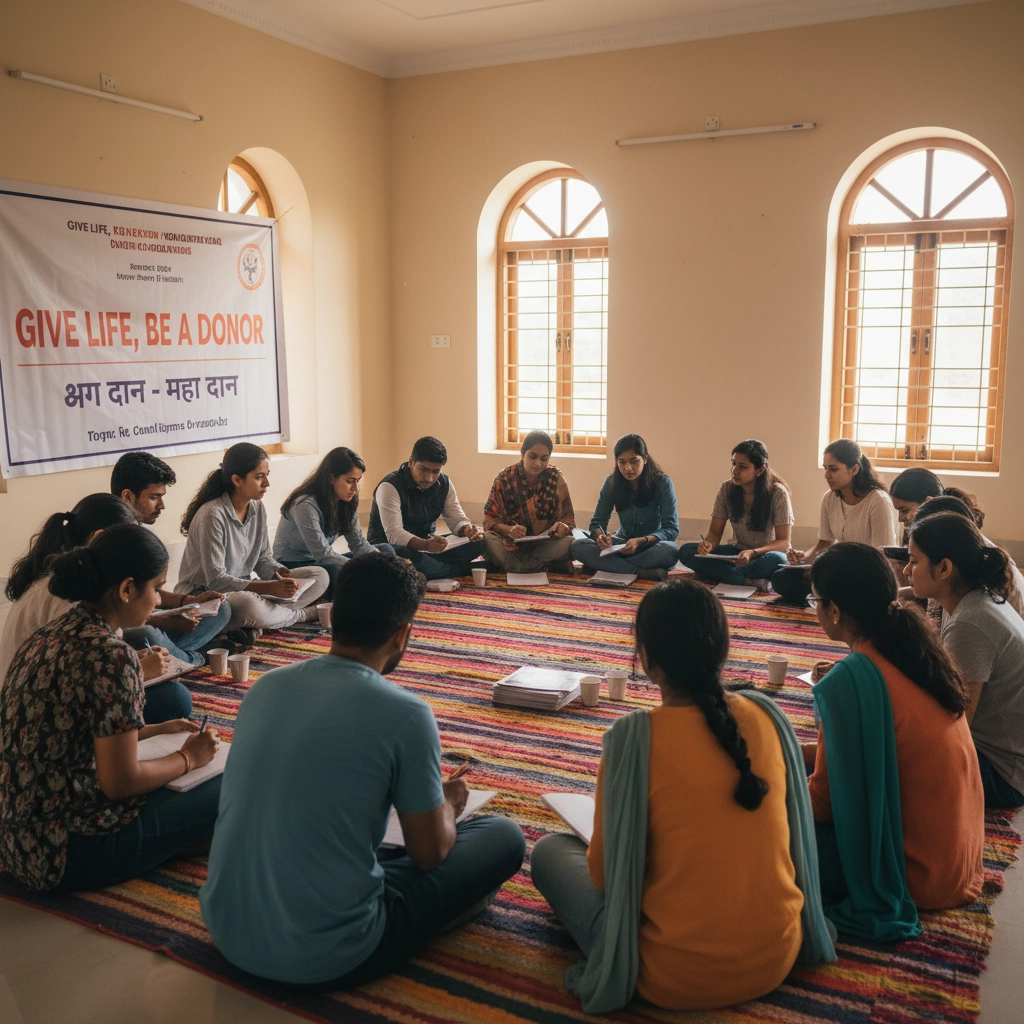
Individual pledges matter for reasons beyond the obvious. Each pledge helps normalize skin donation within families and communities. When you register as a donor, you’re not just offering your skin: you’re contributing to a cultural shift that makes donation acceptable and expected.
The Ripple Effect
Your pledge encourages conversations about donation within your family, increasing the likelihood that your wishes will be honored and that others will consider donating as well. Family consent remains crucial in donation decisions, and registered pledges significantly improve consent rates during emotionally difficult moments.
Building the System
Every pledge helps justify continued investment in retrieval infrastructure and training programs. When governments and hospitals see growing public participation, they allocate more resources to donation systems. Your pledge becomes part of the evidence that supports policy changes and funding decisions.
What Patients Need From You (And What You Can Do Right Now)
Burn patients need more than sympathy: they need a functional donation system. That system requires individual citizens to take specific, measurable actions:
Register Your Pledge
Visit the official NOTTO website or contact Skin’d India to register as a skin donor. The process takes minutes but creates a permanent record that can save lives decades later.
Inform Your Family
Donation decisions often happen during family emergencies. Ensure your relatives understand your wishes and support skin donation. Consider adding donation preferences to your will or other legal documents.
Spread Awareness
Share information about skin donation within your community. Correct misconceptions when you encounter them. The more people understand the process and impact of skin donation, the more likely they are to participate.
Support Policy Changes
Advocate for improved donation infrastructure in your region. Contact local hospitals to ask about their skin donation capabilities. Support organizations working to expand skin banking and retrieval networks.
The Path Forward: Systems, Not Miracles
The cure for India’s skin donation crisis isn’t a medical breakthrough: it’s a system that works. This system requires coordination between hospitals, training for retrieval teams, public awareness campaigns, and thousands of individual citizens willing to pledge their skin after death.
Patients like Priya shouldn’t have to die because the nearest skin bank is empty. Families shouldn’t have to watch their loved ones suffer when effective treatment exists. The gap between 10,000+ needed donations and the 200 we get annually represents preventable deaths, avoidable disabilities, and dreams destroyed by system failure.
But it also represents opportunity. Every citizen who pledges brings us closer to adequate supply. Every conversation about skin donation reduces stigma and increases participation. Every policy improvement makes the six-hour window more manageable.
The question isn’t whether India can solve its skin donation crisis: it’s whether we choose to solve it. Your pledge matters because it’s part of choosing hope over despair, action over inaction, and healing over helplessness.
Register today. Talk to your family. Share this information. Because somewhere in India, another person just suffered a severe burn injury: and your decision today could determine whether they survive, heal, and live with dignity.
The system is broken. But systems can be fixed. And it starts with you.