
The Teacher Who Became a Donor Hero: One Woman's Mission to Inspire Skin Donation in India
Meera Joshi never imagined that losing her younger brother would lead her to save dozens of lives. The 34-year-old schoolteacher from Nagpur was grading papers on a quiet Sunday evening in March 2023 when the call came. Rajesh, her 28-year-old brother, had been caught in a devastating fire at his workplace. Third-degree burns covered 60% of his body.
"The doctors told us he needed skin grafts immediately," Meera recalls, her voice steady but thoughtful. "But the nearest skin bank was in Mumbai, and by the time we could arrange everything…" She pauses. Rajesh didn't make it through the night.
What happened next transformed not just Meera's life, but the lives of hundreds of students, families, and community members across Maharashtra. This is the story of how one teacher's grief became a grassroots movement for skin donation awareness: and how you can be part of it.
When Loss Becomes Purpose
In the weeks following Rajesh's death, Meera learned a shocking truth: India sees over 150,000 burn cases annually, yet our country manages only around 200 skin donations per year. The math is devastating. For every person who receives life-saving skin grafts, hundreds more wait in vain.
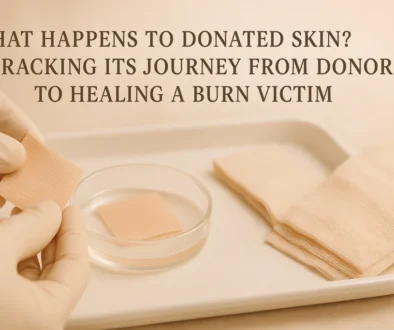
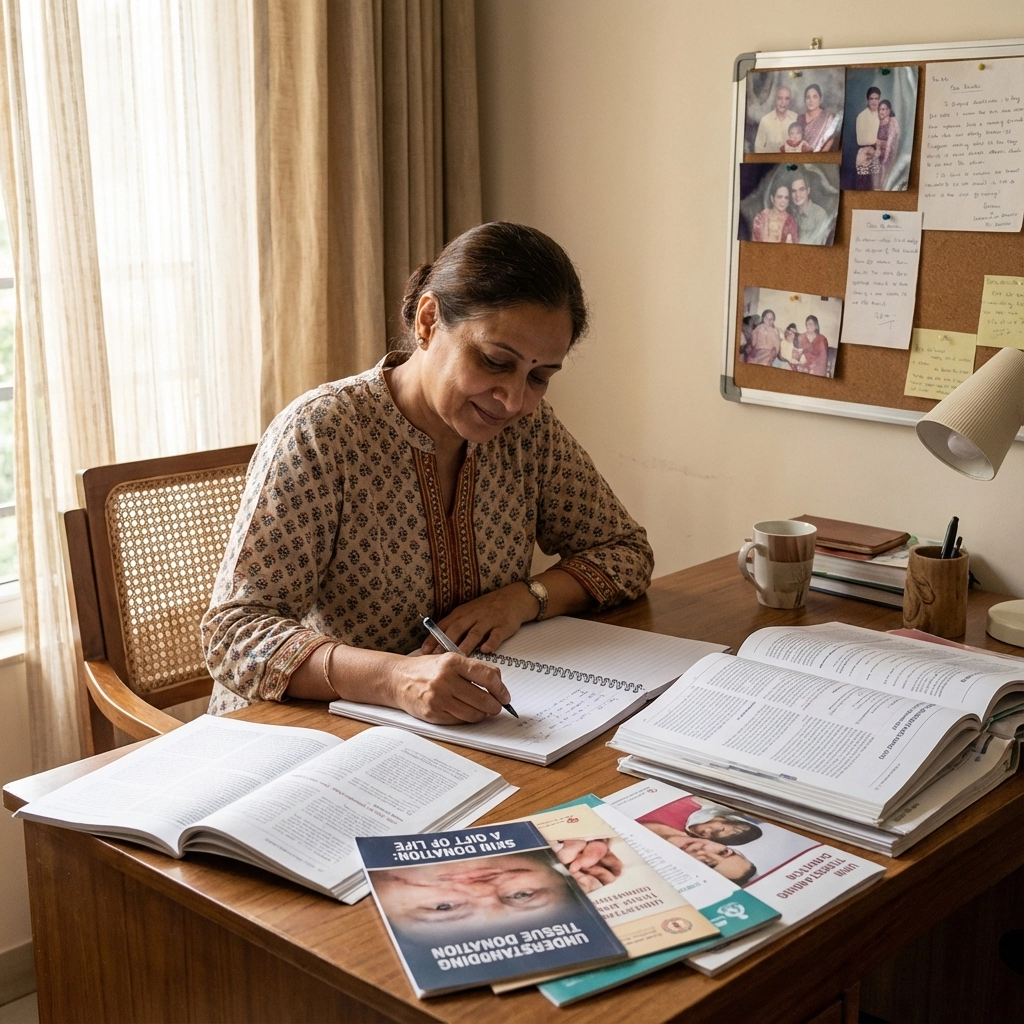
"I kept thinking about all the Rajeshes out there: people who could be saved if we just had enough donated skin," Meera says. She spent hours researching the skin donation process, learning that unlike other organ donations, skin can be harvested up to 6 hours after death and stored for up to 5 years in specialized skin banks.
The solution wasn't complex medical technology. It was awareness. It was people like her, like her students, like their families, pledging to donate skin after death.
By May 2023, Meera had made her own pledge to donate her skin. But she wasn't stopping there.
From Classroom Conversations to Campus Campaigns
Meera teaches 10th-grade biology at a government school in Nagpur's Dharampeth area. Her students had watched her navigate grief with quiet strength, and when she returned to school, they noticed something different in her teaching approach.
"Ma'am started talking about real-life applications of everything we studied," says Priya Sharma, one of her students. "When we learned about the integumentary system, she told us about skin banks. When we studied tissue regeneration, she explained how donated skin helps burn victims heal."
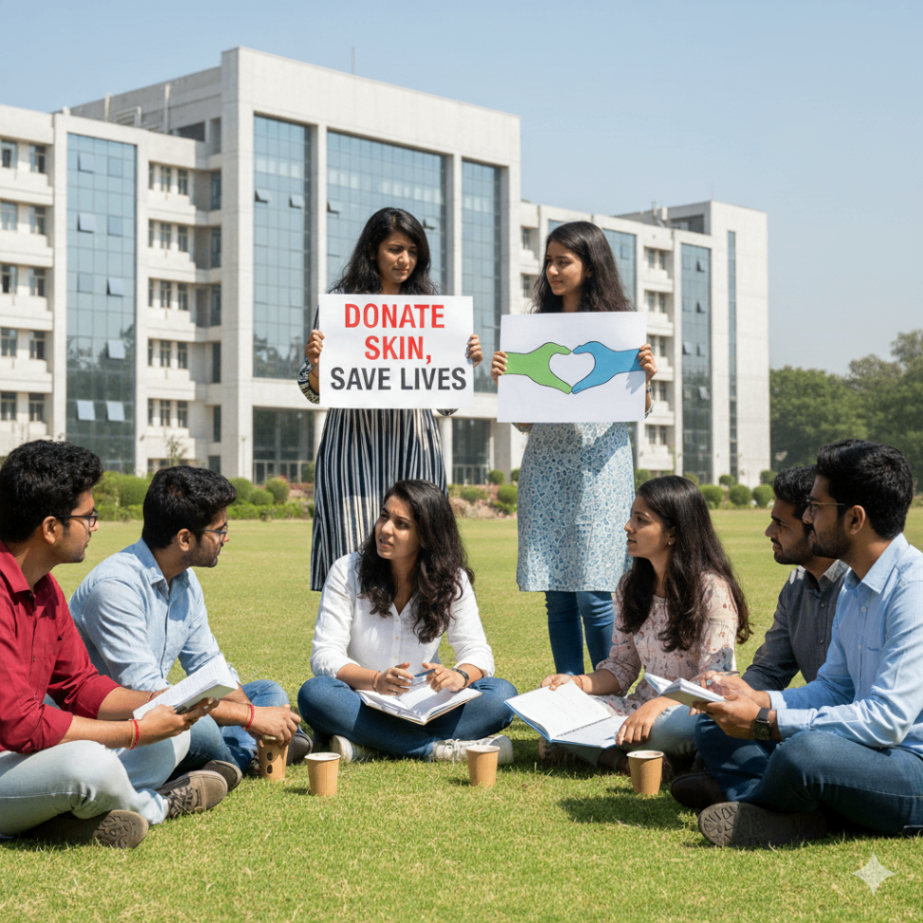
These weren't heavy, somber lessons. Meera's approach was practical and hopeful. She explained how the skin donation process works:
- Simple pledging process: Takes just 5 minutes to register intent
- No impact on funeral rites: Only the outer layer of skin is harvested; the body remains intact for last rites
- Massive impact: One donor can help multiple burn survivors
- No age restrictions: Anyone can pledge, regardless of current health status
By September 2023, something remarkable was happening in Meera's classroom. Students started asking questions. Real questions. About how to make a pledge. About talking to their families. About the difference between myth and medical fact.
The Ripple Effect Begins
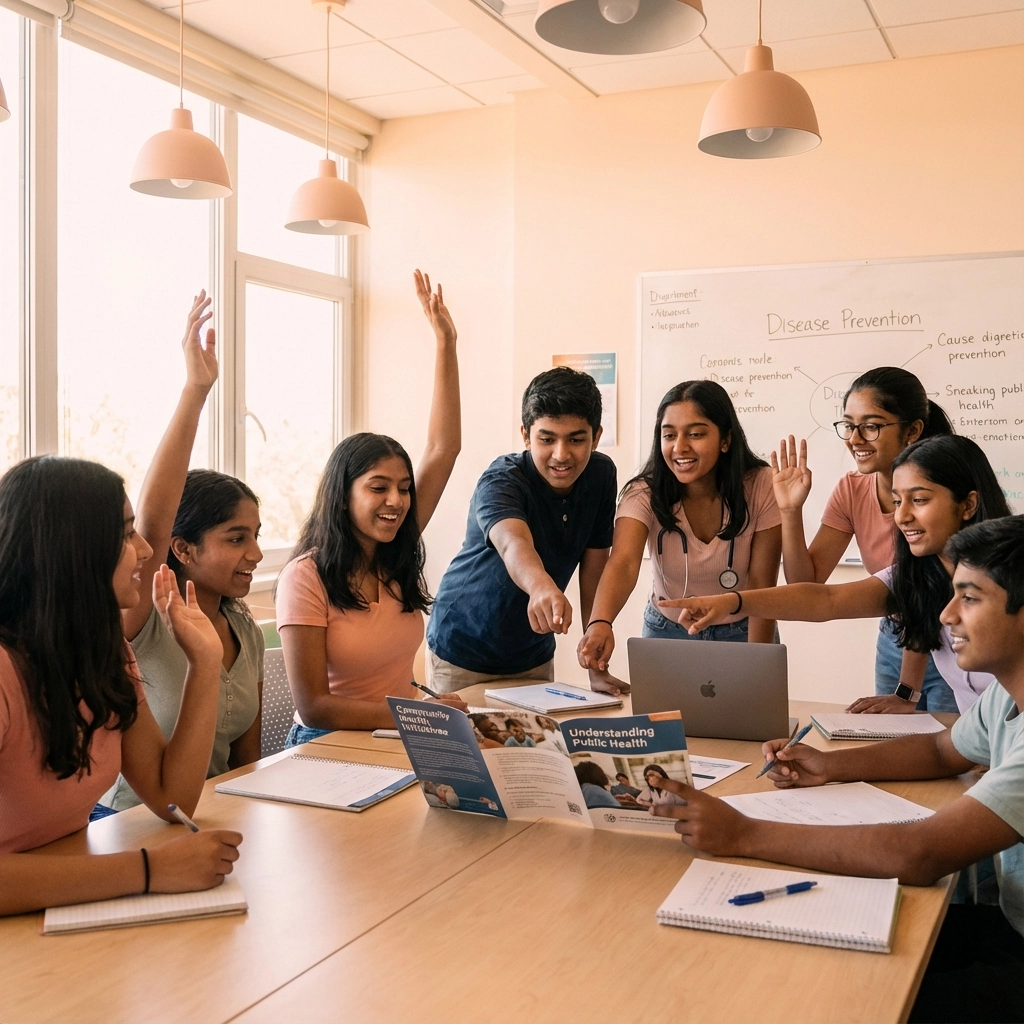
"At first, it was just curiosity," explains Aarav Deshmukh, another student. "But then ma'am organized a visit to the Regional Cancer Centre's skin bank in Nagpur. Seeing the actual facility, meeting doctors, understanding the process: it made everything real."
That field trip in October 2023 marked the beginning of Meera's organized awareness campaign. She partnered with local medical professionals to host monthly "Skin Donation Awareness Sessions" at her school. These weren't lectures; they were interactive workshops where students learned facts, busted myths, and heard real stories of hope and healing.
The sessions covered crucial ground:
- Dispelling religious concerns: Learned religious leaders explaining that skin donation aligns with principles of service and compassion
- Family conversations: Role-playing exercises to help students discuss skin donation with parents and grandparents
- Medical facts vs. fiction: Clearing up misconceptions about the donation process, storage, and use
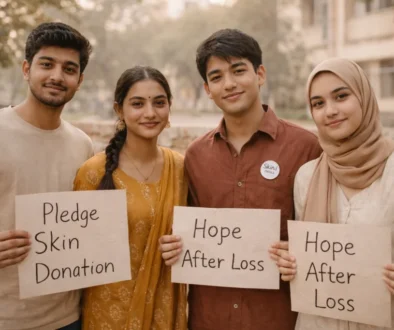
Within three months, 47 students from Meera's school had pledged to donate their skin after death. More importantly, they were talking to their families.
Beyond the School Gates
The real test came when students went home with information packets and pledge forms. Would families embrace their children's decision to become donors? Would parents themselves consider pledging?
The answer surprised everyone, including Meera.
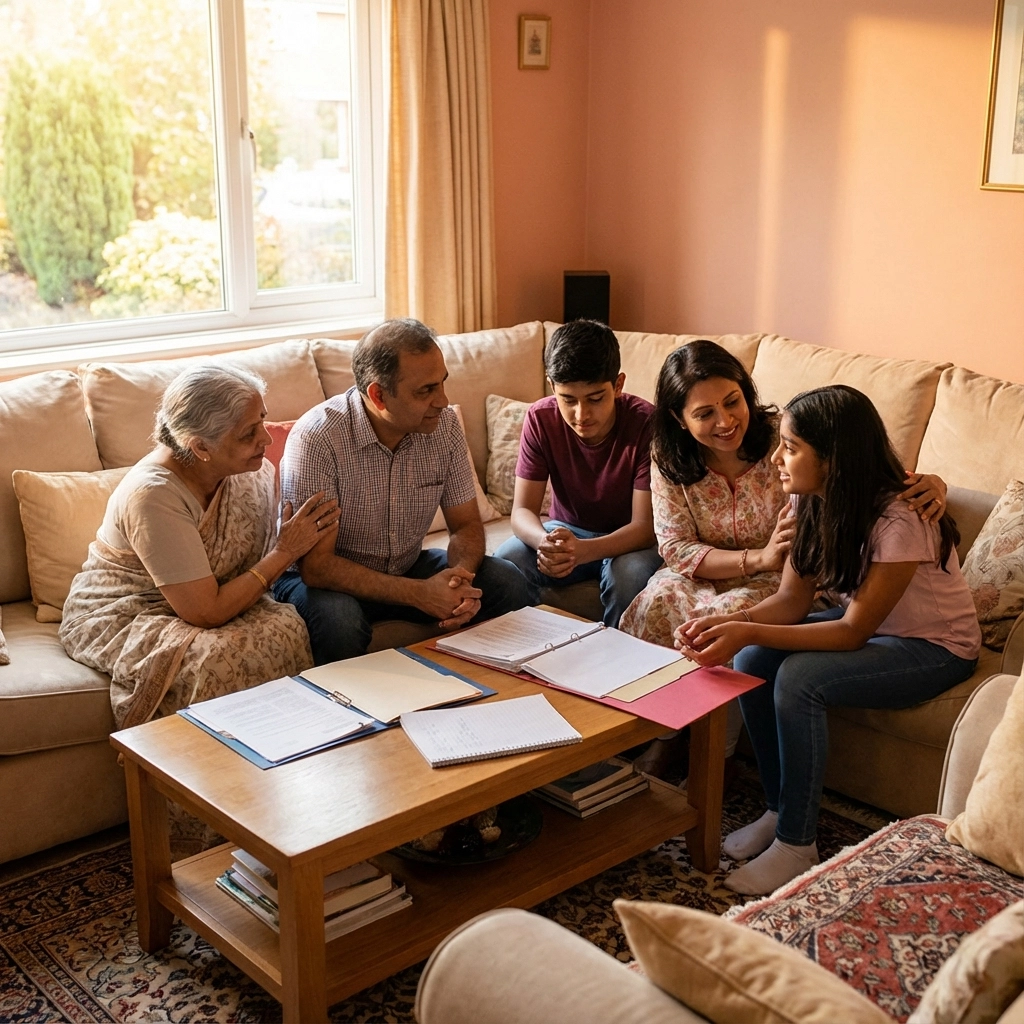
"My grandmother was the first in our family to sign up after me," laughs Kavya Patil, a 16-year-old student. "She said if kids are mature enough to think about helping others, she could do the same."
By December 2023, the school's awareness campaign had generated 127 skin donation pledges from students and their family members combined. Local newspapers picked up the story. Other schools in Nagpur started reaching out to Meera, asking for guidance on starting their own campaigns.
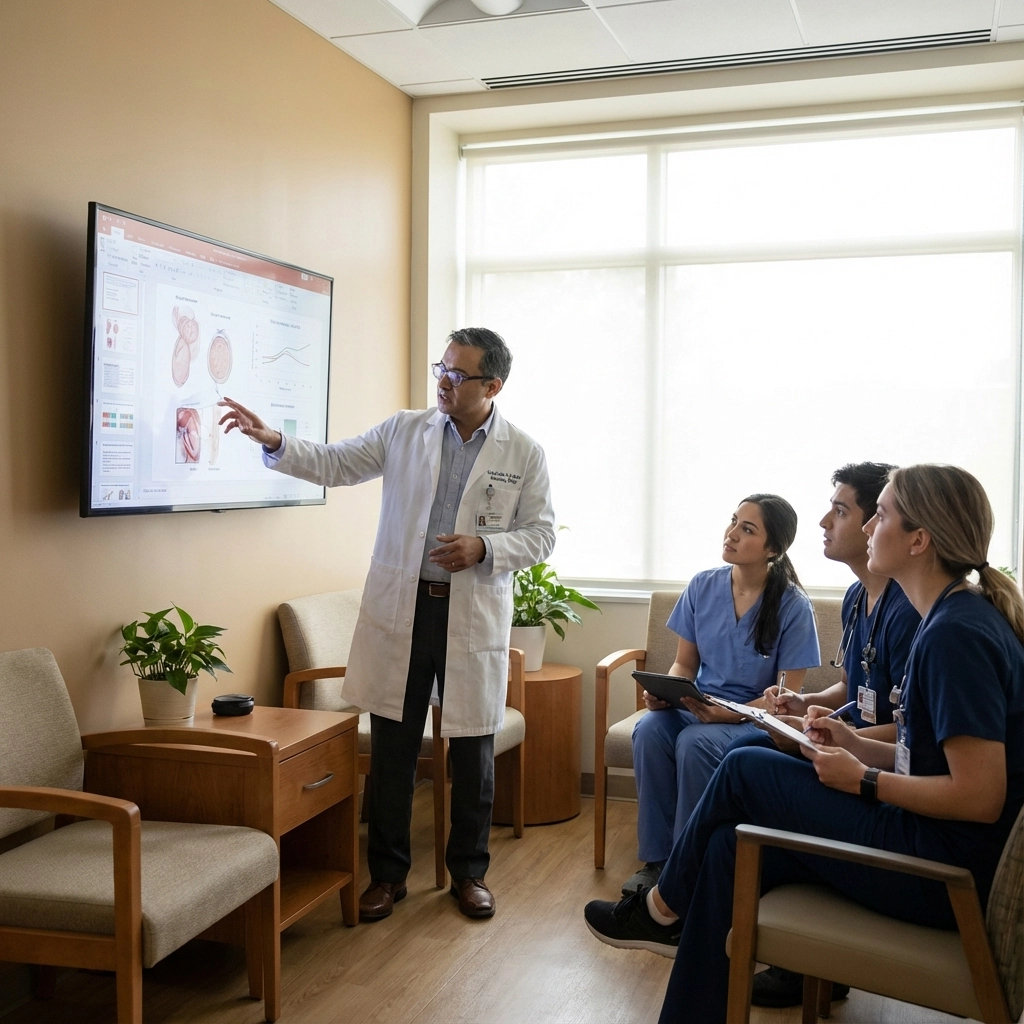
"What Meera did was show us that awareness doesn't need big budgets or celebrity endorsements," says Dr. Anil Khurana, head of the Regional Cancer Centre's skin bank. "It needs authentic voices and consistent effort. Her students became ambassadors in their own families and neighborhoods."
The momentum was undeniable. Meera started receiving invitations to speak at other schools, parent-teacher meetings, and community gatherings. Her message was always the same: skin donation is simple, respectful, and life-saving. One pledge can create multiple second chances.
Building a Movement, One Conversation at a Time
Today, just over a year since she lost Rajesh, Meera has helped generate more than 400 skin donation pledges across 12 schools in Nagpur and surrounding areas. Her approach remains grassroots and personal:
- School workshops: Interactive sessions with medical professionals
- Family engagement: Information sessions for parents and community members
- Peer education: Training student ambassadors to spread awareness
- Follow-up: Regular check-ins and ongoing support for pledged families
"The key is making it personal without making it emotional," Meera explains. "I don't talk about losing Rajesh in every session. Instead, I focus on the students in front of me, their questions, their power to make a difference."
Her students have become remarkably effective advocates. They've organized awareness drives during school festivals, created social media campaigns, and even convinced local politicians to pledge their skin.
The Bigger Picture: Why This Matters
Meera's grassroots efforts shine light on a larger challenge facing India's healthcare system. Our country has made impressive strides in heart and kidney transplants, but skin donation awareness remains critically low.
Consider these realities:
- Massive gap: India needs 10,000 skin donations but gets only 200
- Regional disparities: Most skin banks are concentrated in major cities, leaving rural areas underserved
- Preventable deaths: Thousands of burn survivors die from infections that could be prevented with skin grafts
But Meera's story proves that change is possible. When communities understand the facts about donating skin after death, they respond with remarkable generosity.
"Every pledge represents hope," she says. "Hope for a burn survivor's healing. Hope for a family's second chance. Hope that we're building a more compassionate society."
Your Turn to Make a Difference
Meera's mission continues to expand, but she's quick to point out that creating change doesn't require losing someone first. It requires recognizing that each of us has the power to save lives through a simple, five-minute pledge.
"Students often ask me if they're too young to think about donating skin after death," Meera shares. "I tell them: you're not too young to think about helping others. You're not too young to make a pledge that could transform multiple lives."
Ready to join the movement? Here's how:
- Learn the facts: Visit Skin'd India to understand the skin donation process
- Make your pledge: It takes five minutes and costs nothing
- Start conversations: Talk with family, friends, and community members
- Get involved: Organize awareness sessions in your school, workplace, or neighborhood
Meera Joshi turned personal tragedy into community transformation. She proved that one teacher, armed with facts and fueled by purpose, can create ripple effects that save lives.
Your pledge matters. Your voice matters. Your community is waiting for someone to start the conversation about skin donation.
That someone could be you.
Ready to pledge your skin and join thousands of others committed to saving lives? Learn more about the simple donation process and make your pledge today.