
Real-Life Stories: How Skin Donation Transformed Burn Victims' Lives
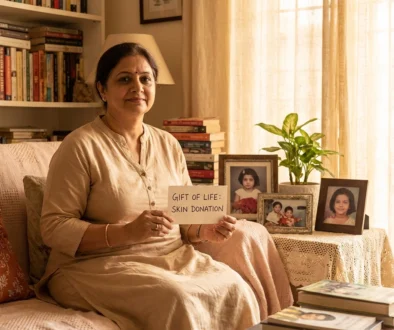
Meera sits in her classroom in Pune, teaching a group of excited eight-year-olds about fractions. Her confident voice fills the room as she draws circles on the blackboard. Three years ago, this moment seemed impossible. Severe burns covered 40% of her body after a cooking gas cylinder exploded in her small apartment. Today, donated skin grafts have given her back not just her mobility, but her dreams.
Every year in India, over 1.4 million people suffer burn injuries. The vast majority: nearly 70%: are women and children. For those with severe burns covering more than 20% of their body, donated skin can mean the difference between life and death, between isolation and independence.
Rajesh's Second Chance: From Factory Worker to Advocate
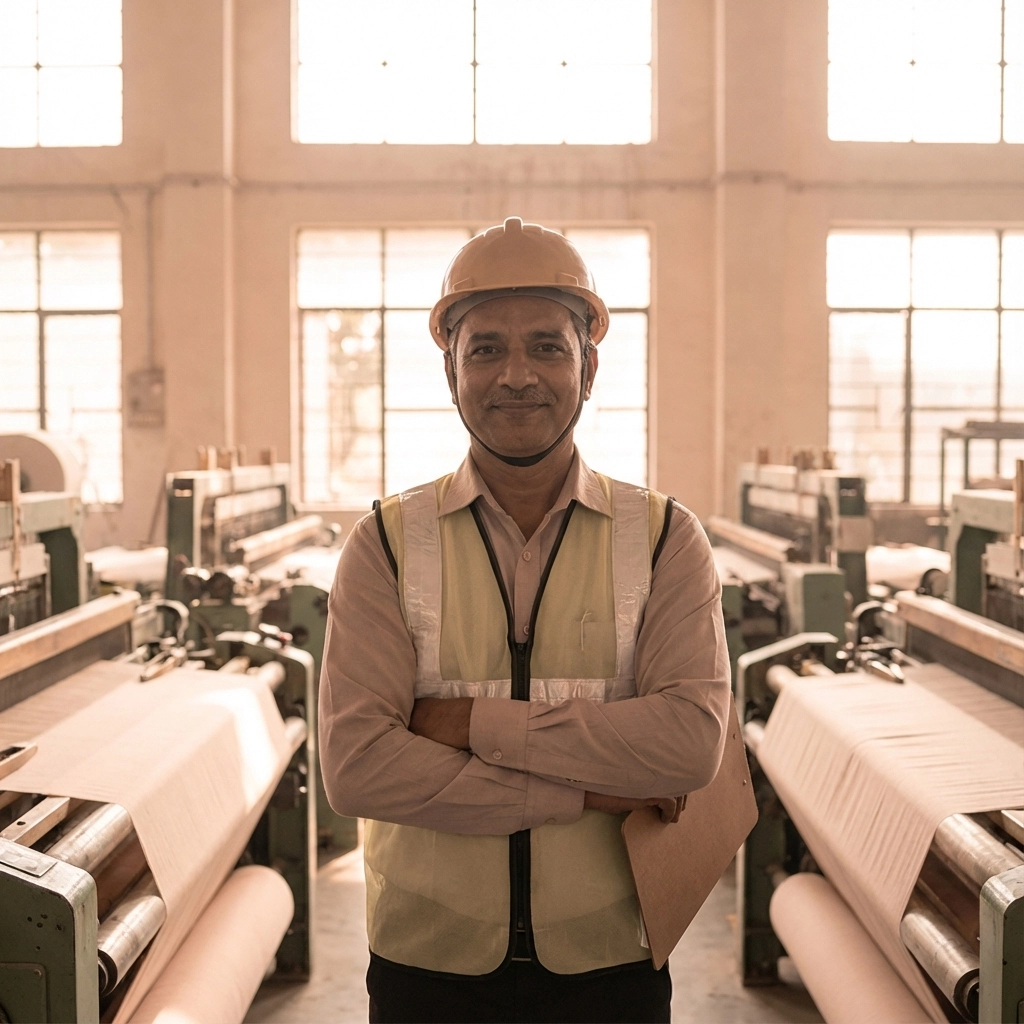
Rajesh Kumar was working the night shift at a textile factory in Tamil Nadu when faulty electrical wiring caused a fire. Within minutes, flames engulfed his workspace. The 28-year-old father of two sustained third-degree burns on his arms, chest, and face: covering nearly 35% of his body.
"I remember thinking my life was over," Rajesh recalls. "Not just because of the pain, but because I couldn't imagine anyone looking at me the same way again."
At Government Medical College Hospital in Chennai, doctors explained that his survival depended on immediate skin grafting. The hospital's skin bank had recently received donations from three families: tissue that would literally rebuild Rajesh's damaged skin layer by layer.
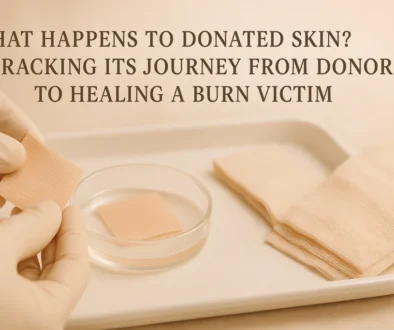
The first surgery took donated skin from cadaveric sources and applied it to his most severely burned areas. "The donated skin acts like a biological dressing," explains Dr. Priya Sharma, a plastic surgeon at the facility. "It prevents infection, reduces fluid loss, and creates the right environment for the patient's own skin cells to regenerate underneath."
For Rajesh, the transformation took months. Multiple surgeries followed, each one building upon the foundation created by donated tissue. The physical healing was just the beginning.
"When I could finally look in the mirror without wincing, I knew something had changed inside me too," he says. Today, Rajesh works as a safety inspector at the same textile factory. More importantly, he's become a passionate advocate for skin donation awareness in his community.
Priya's Journey: From Isolation to Independence
At 19, Priya Nair from Kerala had her entire future mapped out. Medical college, specializing in pediatrics, maybe working with NGOs in rural areas. Then came the bus accident that changed everything.
The private bus she was traveling in overturned and caught fire near Kochi. Priya managed to escape, but not before sustaining severe burns on her legs and lower back. "I spent two months in the hospital, and another six months at home, unable to walk properly," she remembers.
The burn wounds were extensive: requiring immediate intervention to prevent life-threatening complications. At Government Medical College, Kozhikode, one of India's leading skin banks, surgeons used donated skin to cover her wounds while her body worked to regenerate healthy tissue underneath.
"I was terrified about the scars," Priya admits. "In our society, especially for young women, there's so much emphasis on appearance. I worried that my dreams of becoming a doctor were over."
The healing process was gradual but remarkable. The donated skin grafts took successfully, and over the following months, Priya regained full mobility. More importantly, she discovered a resilience she didn't know she possessed.
Today, Dr. Priya Nair works at a community health center in rural Kerala. "The experience taught me that healing isn't just about medicine: it's about hope," she explains. "Those skin donors gave me back my life, and now I get to save others."
The Reality Behind the Numbers
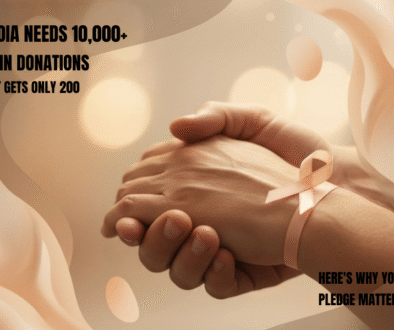
In India, the gap between need and availability for skin donation is staggering. While the country requires approximately 10,000 skin donations annually, we receive fewer than 200. This shortage means that countless burn victims who could be saved end up facing prolonged suffering or death.
The statistics paint a sobering picture:
- Every hour, 25 Indians suffer burn injuries
- 80% of burn cases occur in home environments
- Women and children account for 70% of all burn victims
- Only 15% of severe burn patients have access to adequate skin bank facilities
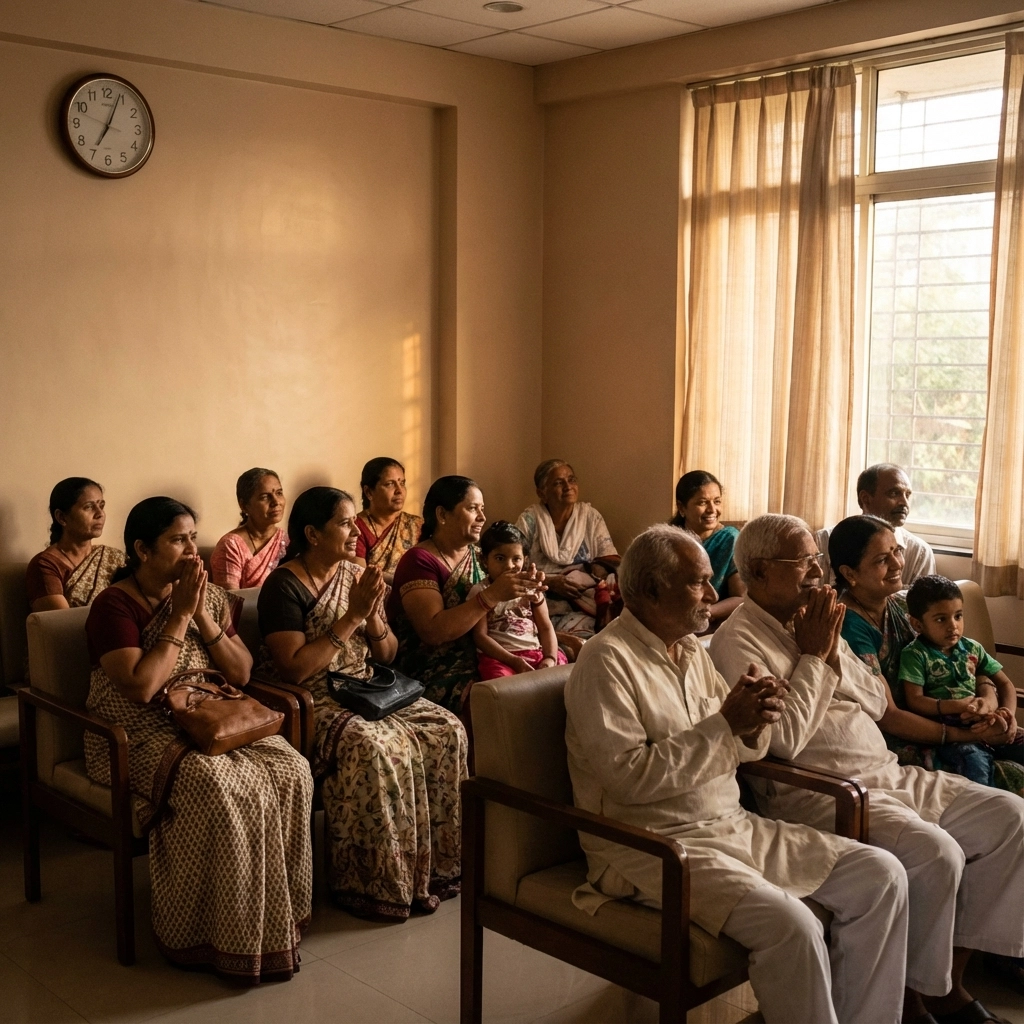
These aren't just numbers: they represent families torn apart, dreams interrupted, and futures lost. But they also represent an opportunity for change.
How Donated Skin Transforms Lives
The science behind skin donation reveals why it's so transformative. When someone suffers extensive burns, their body loses its primary defense against infection and fluid loss. Donated skin acts as a biological bandage, providing:
Immediate Protection: Covering exposed tissue to prevent deadly infections
Reduced Pain: Creating a barrier that significantly decreases pain levels
Faster Healing: Providing the optimal environment for natural regeneration
Improved Function: Preventing contractures that could limit mobility
Psychological Healing: Restoring appearance and self-confidence
A single skin donor can help up to 10 burn victims. That means one family's decision to donate can literally save a dozen lives: creating ripple effects across entire communities.
Breaking Barriers: The Rise of India's Skin Banks
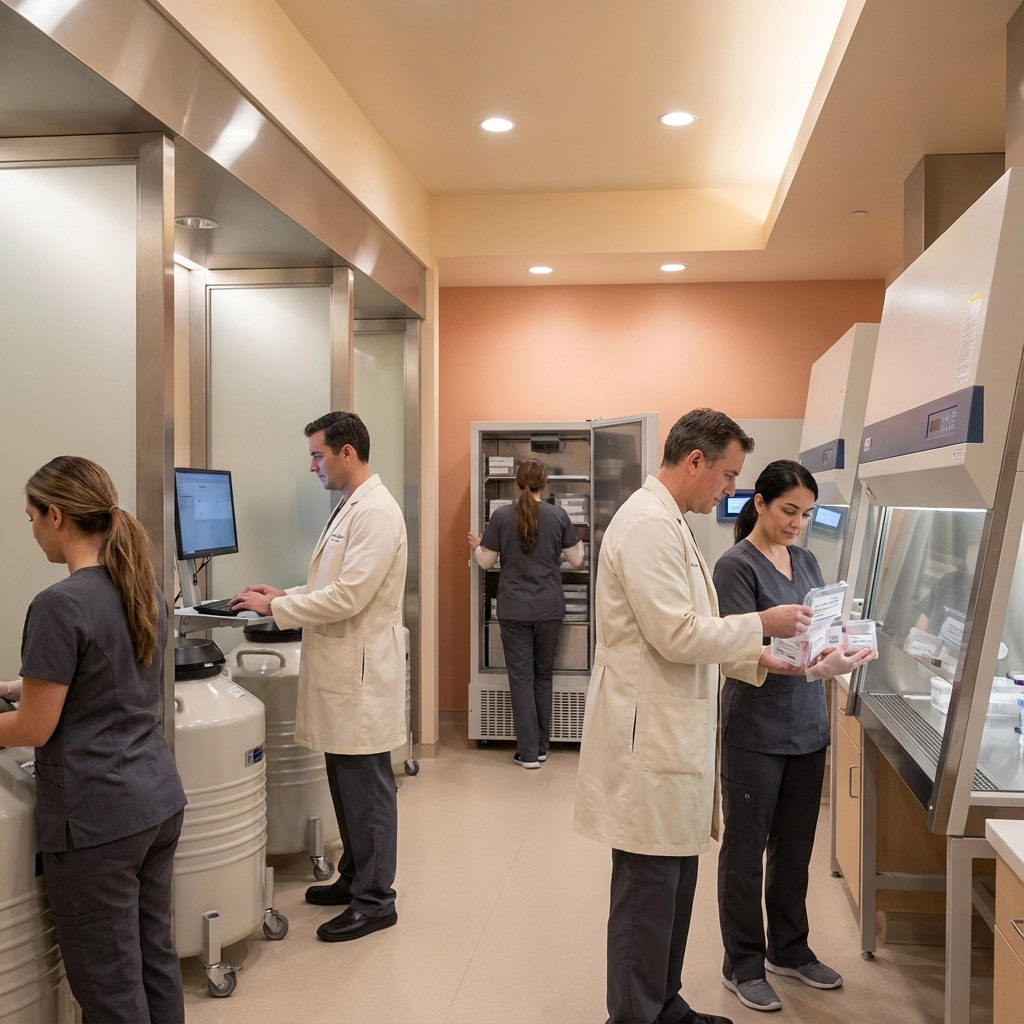
India's skin bank network has grown significantly in recent years. Facilities like the one at Government Medical College, Kozhikode, and Chhattisgarh Institute of Medical Sciences are leading the way in making skin grafts accessible to those who need them most.
"Five years ago, we had patients dying because we simply didn't have the donated tissue available," explains Dr. Ashok Mehta, director of burn care at a leading Mumbai hospital. "Today, our skin bank partnerships mean we can offer hope to families who once had none."
The success stories emerging from these facilities are remarkable:
- 89% of patients who receive skin grafts within 48 hours of injury show full recovery
- Treatment costs are reduced by 60% when donated skin is used instead of synthetic alternatives
- Hospital stays are shortened by an average of 3-4 weeks
- Long-term disability rates drop by 45%
The Ripple Effect: How One Decision Changes Everything
What makes these transformation stories particularly powerful is how they extend far beyond the individual patient. When Rajesh returned to work, he became a safety advocate who's prevented numerous workplace accidents. When Priya became a doctor, she brought a unique empathy to her rural practice that has improved healthcare delivery for entire communities.
"Burn survivors who receive donated skin don't just heal physically," notes social worker Sunita Krishnan, who works with rehabilitation programs in Karnataka. "They often become the strongest advocates for safety, prevention, and donation awareness in their communities."
The families of skin donors often describe feeling comforted knowing their loved one's gift created such profound change. "My husband would have wanted his donation to give others a second chance," says Lakshmi Devi, whose family donated skin after her husband's accidental death. "Hearing about patients who've recovered and gone back to their families: that's healing for us too."
Your Role in This Transformation
These stories of healing and hope are possible because individuals and families chose to pledge skin donation. The process is simple, respectful, and creates lasting impact.
Here's how you can contribute to these transformations:
Make the Pledge: Visit Skin'd India to understand the simple steps for skin donation registration
Start Conversations: Talk with your family about the importance of skin donation and address any concerns they might have
Spread Awareness: Share information about skin banks and donation in your community, workplace, or social circles
Support Skin Banks: Learn about facilities in your area and how they serve burn victims
The transformation stories of Rajesh, Priya, Meera, and countless others prove that skin donation doesn't just save lives: it restores dignity, rebuilds confidence, and gives people back their futures. In a country where burn injuries affect millions, your decision to donate skin after death can literally transform multiple lives.
Every pledge matters. Every conversation counts. Every donation creates the possibility for someone's second chance at life, love, and dreams.
Ready to make a difference? Learn more about skin donation awareness and join thousands of Indians who've already pledged to give others a second chance.