Why Gen Z is Pledging Their Skin: A New Generation of Healing
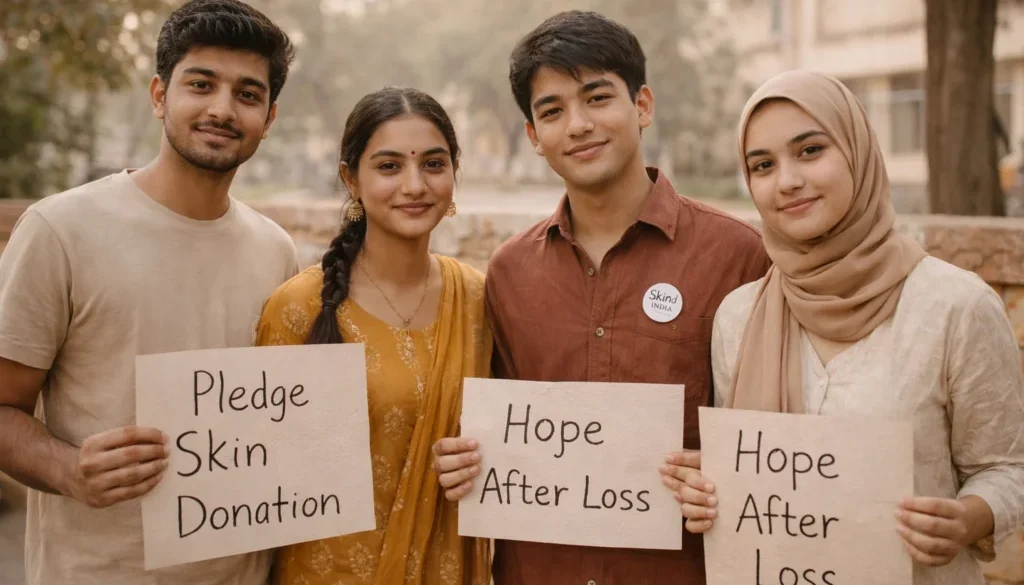
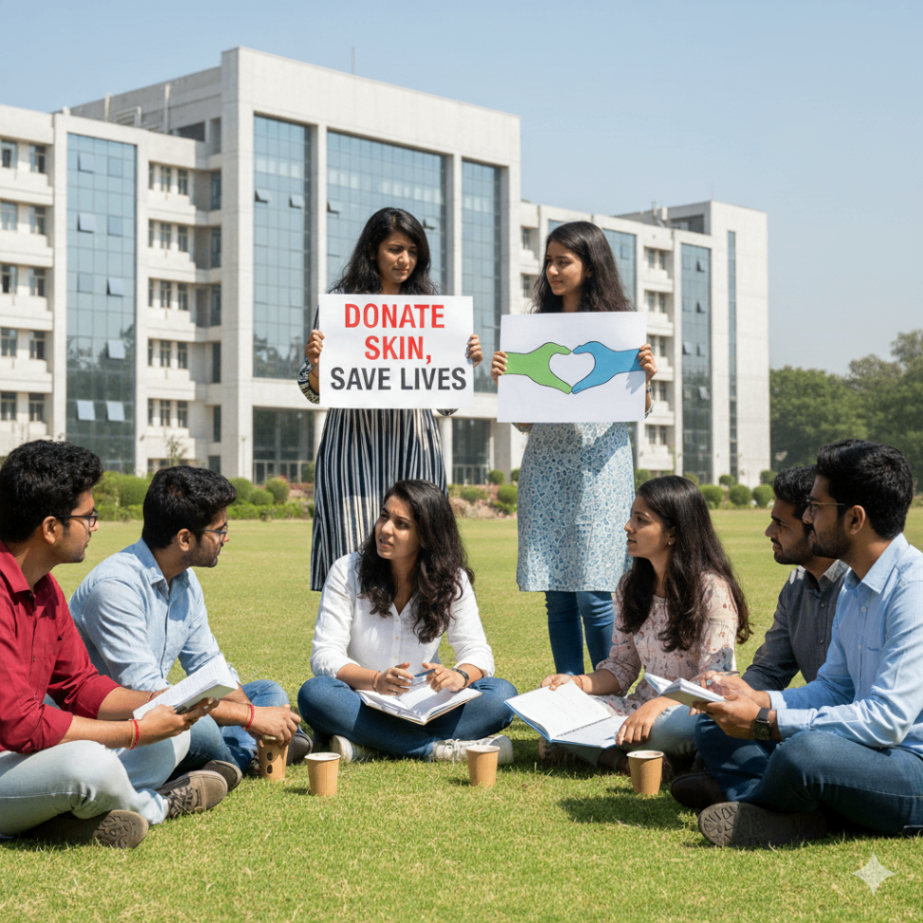
Step into any college campus in Mumbai, Delhi, or Bengaluru today, and you’ll see it: a generation that doesn’t just "post" about change: they live it. While previous generations might have shied away from conversations about mortality, Gen Z is leaning in with a mix of radical empathy and practical activism.
At Skin’d India, we’ve noticed a massive shift. The same demographic that turned skincare into a multi-billion dollar wellness movement is now looking beneath the surface. They aren't just interested in "glass skin" or the perfect serum; they are interested in how their skin can become a literal lifeline for someone else.
This isn't just about medical awareness. It’s a vibe. It’s a movement. It’s about a generation that sees donating skin after death as the ultimate act of social justice.
The "Vibe Check" on Skin Donation
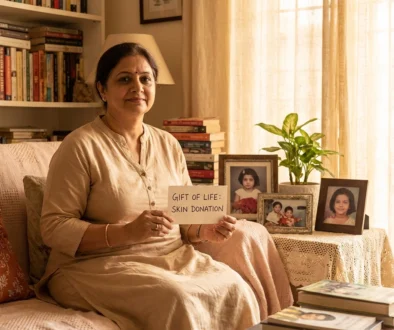
For 21-year-old Ananya, a volunteer with Skin’d India, pledging her skin wasn't a macabre decision. It was a logical one. "We talk so much about 'main character energy,'" she says, laughing but serious. "But what’s more 'main character' than literally helping a burn survivor walk back into their life after I’m gone? That is the ultimate legacy."
Ananya isn't alone. Across India, young people are dismantling the "log kya kahenge" (what will people say) culture that has long hindered organ and tissue donation. They are replacing fear with facts and silence with stories.
Research shows that Gen Z views beauty and health through a regenerative lens. They’ve moved away from the "anti-aging" wars and toward "pro-healing" philosophies. This mental shift makes the leap to skin donation awareness much shorter. If you care about the health of your cells while you’re alive, why wouldn’t you care about their potential to heal a fellow human being after you’ve passed?

Why the Youth are Saying "Yes"
When we interview our young volunteers, three main themes keep popping up: Transparency, Impact, and Identity.
1. Transparency Over Tradition
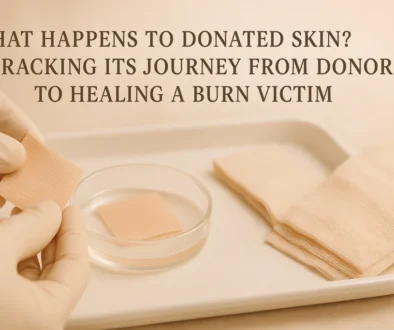
Gen Z demands to know how things work. They don't want vague promises; they want to understand the skin donation process. They want to know that the skin is harvested only from the legs and back, that it doesn't disfigure the body, and that it is stored in a skin bank under the highest medical standards. By demystifying the clinical side, they remove the fear.
2. Radical Impact
In India, the statistics are sobering. We face a silent epidemic where the demand for skin far outstrips the supply. As we’ve highlighted in our reality check on India’s burn burden, the gap is massive. Gen Z sees this data and doesn't just feel sad: they feel motivated to close the gap.
3. A New Social Identity
For this generation, activism is an extension of identity. Pledging to be a donor is seen as a "cool" and compassionate trend. It’s a way to signal that you care about the collective, not just the individual. It’s about being part of a community that values life after skin donation.
Breaking the Myths (Indian Style)
One of the biggest hurdles in India has always been the myths surrounding death and the body. Traditional beliefs often suggest that the body must remain "whole" for the final rites.
However, young activists are reframing this. They are talking to their parents and grandparents about Daan: the ancient Indian tradition of giving. They are explaining that donating skin after death is the highest form of Vidhya Daan or Jeevan Daan.
Common skin donation myths like "it will delay the funeral" or "it will leave the body looking unrecognizable" are being debunked in rapid-fire reels and casual dinner table conversations. The truth is simple: the process takes less than 30 minutes, it is performed by professionals from a certified skin bank, and it is done with the utmost dignity. You can learn more about these specifics in our beginner’s guide to saving lives.
The Human Side: Burn Victims Treatment in India
Why is this so urgent? Because for a burn victim, donated skin is not just a "bandage." It is the gold standard for survival. In many parts of India, especially in rural areas, access to skin banks is critically low. When a person suffers 40-50% burns, their own skin cannot regenerate fast enough to prevent infection and fluid loss.
Donated skin acts as a biological shield. It reduces pain, prevents infection, and gives the patient’s own skin the time it needs to heal. Without it, the mortality rate skyrockets. When young donors pledge, they are directly contributing to the survival of someone who might otherwise not make it. They are providing the quiet power of healing.
"The System is the Cure"
At Skin’d India, we believe that the cure for this crisis is not a miracle: it’s a system. We need more donors, more awareness, and more localized access to skin banks. Whether it’s the KEM Hospital Skin Bank in Mumbai or the Rotary Skin Bank in Sangli, these institutions need our support and our pledges.
How You Can Join the Movement:
If you’re feeling inspired by the energy of this new generation, here is how you can take action today:
- Educate Yourself: Understand the skin donation process and why it matters.
- Pledge Your Skin: Visit our website to sign the pledge. It takes two minutes but can save multiple lives.
- The "Kitchen Table" Talk: This is the most important step. Tell your family about your decision. Most donations in India don't happen because families aren't aware of the deceased’s wishes.
- Spread the Word: Use your platform. Share this blog, post a story, and use the hashtag #SkindIndia.
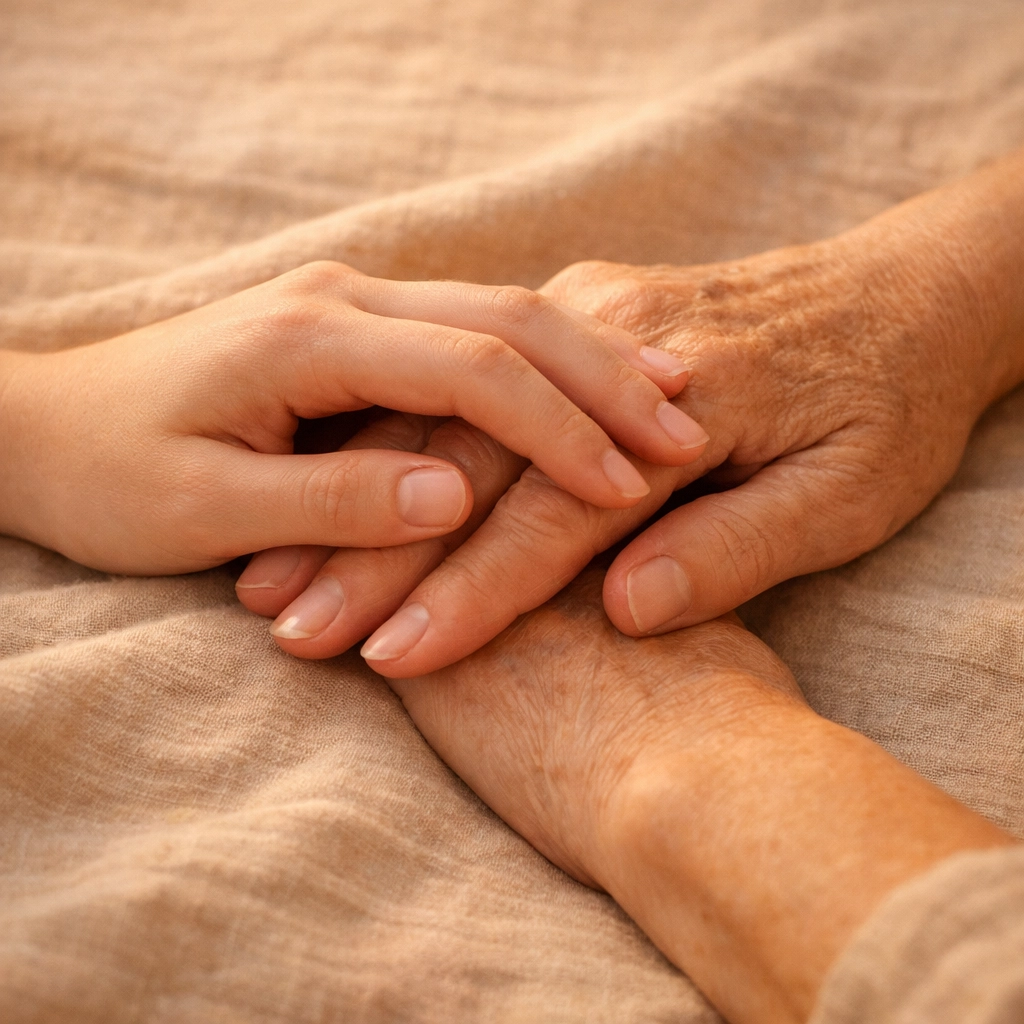
A Legacy of Kindness
We often think of heroes as people who do extraordinary things in the heat of a moment. But there is a different kind of hero: the silent hero. The person who decides, quietly and firmly, that their final act on this earth will be one of profound generosity.
Gen Z is leading the way in showing us that death doesn't have to be the end of our story. It can be the beginning of someone else’s. By pledging their skin, they are ensuring that their legacy isn't just a digital footprint, but a living, breathing gift of healing.
India needs 10,000 skin donations a year, but we currently only get about 200. The gap is huge, but so is our potential. Your pledge matters more than you think. It is the difference between a tragedy and a recovery.
Are you ready to be part of the generation that heals India?
Let’s change the narrative. Let’s make skin donation the norm, not the exception.
Visit Skin'd India to learn how you can start your journey as a donor today.
#HopeAfterLoss #SkinDonation #SkindIndia #GiftOfHealing #GenZActivism #IndiaNeedsDonors